
Drug & Alcohol Rehab Centers in California
California has the largest network of addiction treatment facilities in the United States, with more than 3,500 programs serving individuals across the state. According to the Substance Abuse and Mental Health Services Administration (SAMHSA), California accounts for roughly 12% of all treatment admissions nationwide, reflecting both the state's population and its role as a national destination for recovery.
The state faces significant substance use challenges. In 2022, California recorded over 12,000 opioid-related overdose deaths — a 50% increase since 2019, driven largely by illicitly manufactured fentanyl. Methamphetamine remains the most common substance involved in treatment admissions in many Southern California counties, while alcohol use disorder continues to affect an estimated 3.2 million Californians annually.
California's treatment infrastructure spans the full continuum of care, from medically supervised detoxification and residential programs to intensive outpatient (IOP) and telehealth services. The state is known for integrating evidence-based approaches like cognitive behavioral therapy (CBT) and medication-assisted treatment (MAT) with holistic modalities including mindfulness meditation, art and music therapy, and equine-assisted therapy.
Addiction Treatment Landscape in California
California's approach to addiction treatment reflects its position as a leader in public health innovation. The state's Department of Health Care Services (DHCS) oversees the Drug Medi-Cal Organized Delivery System (DMC-ODS), which expanded access to a full continuum of substance use disorder services in participating counties. As of 2024, more than 40 of California's 58 counties have opted into DMC-ODS.
Key statistics:
- Over 12,000 opioid-related overdose deaths in 2022 (California DHCS)
- Approximately 3,500 licensed treatment facilities statewide (SAMHSA N-SSATS)
- Fentanyl seizures increased 1,000% between 2018 and 2023 at the southern border
- An estimated 2.5 million Californians meet criteria for a substance use disorder
The opioid crisis has reshaped California's treatment priorities. Governor Newsom's Master Plan for Tackling the Fentanyl and Opioid Crisis, launched in 2023, expanded naloxone distribution, funded treatment beds, and established the Naloxone Distribution Project. California also pioneered the nation's first contingency management pilot through Medi-Cal, offering motivational incentives for stimulant use disorder — a first-of-its-kind program at this scale.
Regional variations shape the treatment landscape. In Los Angeles and the Bay Area, urban programs emphasize dual-diagnosis treatment for co-occurring mental health conditions. Central Valley communities face elevated methamphetamine use rates. Northern California counties have expanded telehealth to serve rural populations with limited in-person options.
Types of Treatment Available in California
California offers every level of addiction care recognized by the American Society of Addiction Medicine (ASAM):
- Medical Detoxification: Supervised withdrawal management available at hospitals and standalone detox centers across the state. California requires detox programs to be licensed by DHCS.
- Residential Treatment: From 30-day programs to 90+ day extended care. Malibu, Southern California, and the Napa Valley region are known for residential options ranging from clinical to luxury settings.
- Partial Hospitalization (PHP): Intensive day programs offering 5-7 days per week of structured treatment, common in metro areas like Los Angeles, San Diego, and San Francisco.
- Intensive Outpatient (IOP): Flexible 3-5 day per week programs allowing clients to maintain work or family responsibilities. Widely available across all major California cities.
- Standard Outpatient: Weekly individual and group therapy sessions for ongoing recovery support.
- Telehealth Services: California was among the first states to expand telehealth for addiction treatment during COVID-19, and has made many of these flexibilities permanent.
California is also known for specialty treatment tracks including LGBTQ+-affirming programs, programs for entertainment and tech industry professionals, veteran-specific treatment through VA partnerships, and culturally responsive care for the state's diverse communities. Many facilities integrate 12-step programs with clinical approaches, while alternatives like SMART Recovery are widely available.
Insurance & Medi-Cal Coverage in California
California's Medicaid program, Medi-Cal, provides comprehensive coverage for substance use disorder treatment under the Drug Medi-Cal (DMC) benefit. Through the DMC Organized Delivery System, participating counties offer:
- Outpatient treatment services
- Intensive outpatient treatment
- Residential treatment (short-term and perinatal)
- Withdrawal management (detoxification)
- Opioid treatment programs (methadone)
- Medication-assisted treatment (MAT)
- Recovery support services
- Case management and peer support
Medi-Cal currently covers over 14 million Californians — about one-third of the state's population. Eligibility has expanded under the Affordable Care Act, and California does not require a waiting period for new enrollees.
Private insurance plans in California are required to cover addiction treatment at parity with medical/surgical benefits under both the federal Mental Health Parity and Addiction Equity Act (MHPAEA) and California's own parity law (SB 855). Major insurers including Blue Cross Blue Shield, Aetna, Cigna, UnitedHealthcare, and Kaiser Permanente cover the full continuum of addiction care.
For uninsured individuals, California offers county-funded treatment through the Substance Abuse Prevention and Control (SAPC) system, and SAMHSA-funded grants support free or low-cost treatment at many community-based programs.
Want us to find the perfect facility for you?
Call now - it's completely free!
Showing 20 of 1126 results

Passages 8

Soledad House
Action Drug Rehabs
Action Drug Rehabs
(ART)/Boyle Heights Clinic

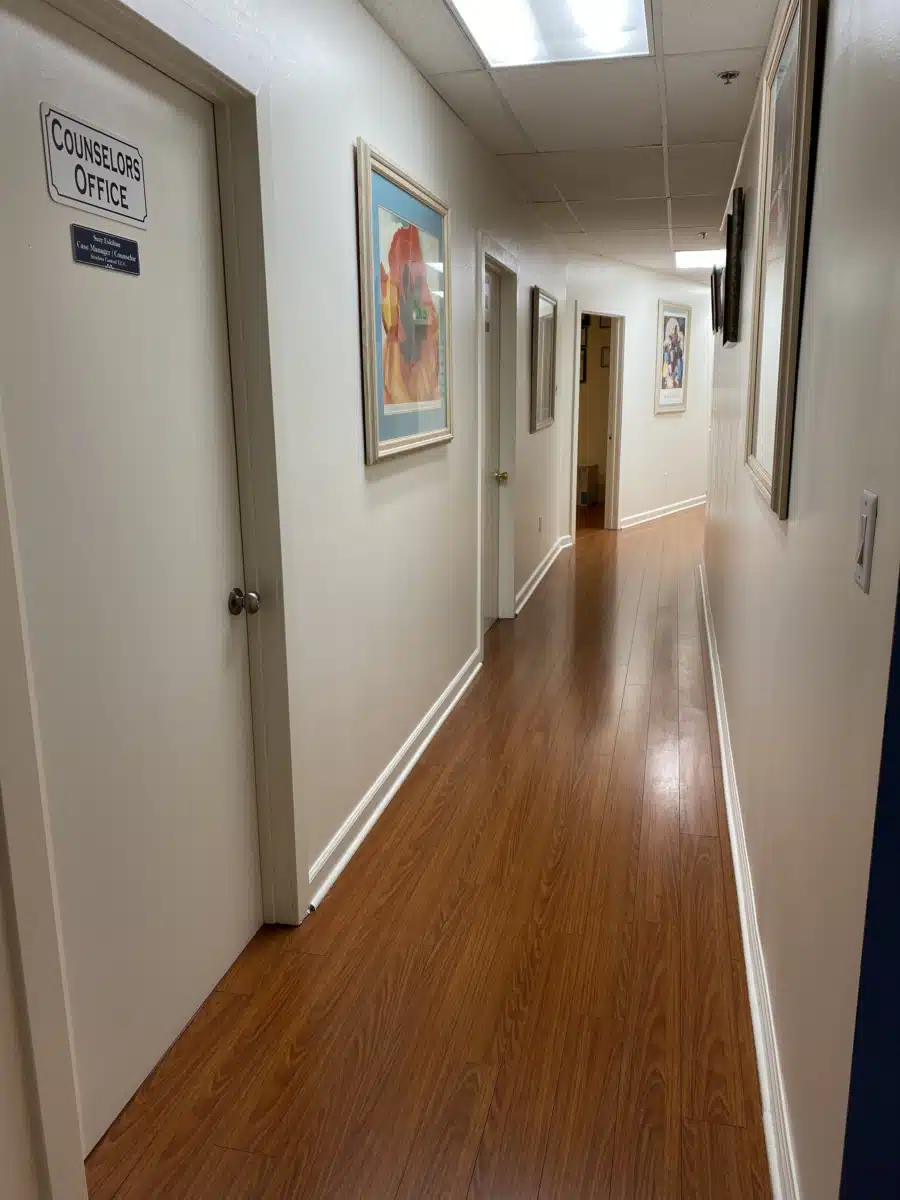
Counseling Center Inc
(ART)/BAART Behavioral Health Services
Treatment Highlights in California
Popular Cities in California
Frequently Asked Questions About Treatment in California
Sources
- SAMHSA National Survey on Drug Use and Health (NSDUH) 2022
- California DHCS — Drug Medi-Cal Organized Delivery System
- California DHCS — Opioid Overdose Surveillance Dashboard
- Governor's Master Plan for Tackling the Fentanyl and Opioid Crisis (2023)
- California SB 855 — Mental Health Parity Act
- SAMHSA National Helpline — 1-800-662-4357
Medical Disclaimer
The information on this page is for educational purposes and is not a substitute for professional medical advice. If you or someone you know is experiencing a substance use crisis, call the SAMHSA National Helpline at 1-800-662-4357 (free, confidential, 24/7). For immediate danger, call 911 or the 988 Suicide & Crisis Lifeline by dialing 988.