
Drug & Alcohol Rehab Centers in Florida
Florida is one of the top destinations for addiction treatment in the United States, with approximately 2,800 licensed substance abuse treatment facilities. South Florida — particularly Palm Beach, Broward, and Miami-Dade counties — has earned the designation "Recovery Capital of America" due to its extraordinary concentration of treatment centers, sober living residences, and recovery support services.
The state faces serious substance use challenges. In 2022, Florida reported over 7,800 opioid-related overdose deaths, ranking among the top five states nationally. Fentanyl has become the leading cause of overdose death in every Florida county. Meanwhile, alcohol use disorder affects an estimated 1.4 million Floridians, and cocaine-related deaths have risen sharply since 2020.
Florida's treatment system spans the full continuum from medical detox through long-term residential care, partial hospitalization (PHP), intensive outpatient (IOP), and robust sober living communities. The state's year-round warm climate supports outdoor therapeutic activities, and many programs incorporate beach-based recreation, mindfulness practices, and experiential therapies into their clinical models.
Addiction Treatment Landscape in Florida
Florida's treatment infrastructure has undergone significant reform since the state addressed abuses in the "Florida shuffle" — a cycle where clients moved between facilities without receiving meaningful care. The Marchman Act provides an involuntary treatment framework, while the Florida Department of Children and Families (DCF) licenses and regulates treatment providers with strengthened standards.
Key statistics:
- Over 7,800 opioid-related overdose deaths in 2022 (Florida Medical Examiners Commission)
- Approximately 2,800 licensed treatment facilities (SAMHSA N-SSATS)
- Fentanyl involved in over 80% of opioid deaths statewide
- Palm Beach County alone has 500+ treatment providers and sober living residences
Florida's approach to the opioid crisis includes expanded medication-assisted treatment (MAT) access, naloxone distribution programs, and the State Opioid Response (SOR) grant funding community-based treatment. The state has also invested in recovery housing standards through the Florida Association of Recovery Residences (FARR) certification program.
Regional treatment patterns vary. South Florida is known for luxury and private-pay programs alongside Medicaid-serving community centers. Central Florida (Orlando, Tampa) has growing treatment capacity. North Florida and the Panhandle region serve more rural populations, with telehealth expanding access. Jacksonville has emerged as a hub for veteran-focused treatment through its proximity to military installations.
Common co-occurring conditions treated in Florida include depression, anxiety, PTSD, and eating disorders. Many programs specialize in cognitive behavioral therapy (CBT), dialectical behavior therapy (DBT), and trauma-informed care models.
Types of Treatment Available in Florida
Florida offers every ASAM level of care for substance use disorders:
- Medical Detoxification: Hospital-based and standalone detox programs available statewide. South Florida has the highest concentration of medical detox beds in the country.
- Residential Treatment: 30 to 90+ day programs ranging from clinical settings to luxury beachfront facilities. Florida is a national destination for residential treatment.
- Partial Hospitalization (PHP): Structured 5-7 day per week day programs, particularly common in South Florida and Tampa Bay.
- Intensive Outpatient (IOP): Flexible 3-5 day per week programs serving as step-down from residential or PHP. Available in virtually every Florida metro area.
- Standard Outpatient: Weekly therapy sessions and support groups for ongoing recovery maintenance.
- Sober Living / Recovery Housing: Florida has one of the nation's largest sober living networks, especially in Palm Beach and Broward counties. FARR-certified homes meet voluntary quality standards.
Florida treatment specialties include young adult programs (18-25), executive and professional treatment tracks, faith-based recovery, 12-step immersion programs, and holistic approaches incorporating yoga, surf therapy, and outdoor recreation.
Insurance & Florida Medicaid Coverage
Florida Medicaid covers substance use disorder treatment for eligible residents, including:
- Outpatient and intensive outpatient treatment
- Residential treatment (with prior authorization)
- Detoxification services
- Medication-assisted treatment (MAT) — methadone, buprenorphine, naltrexone
- Crisis stabilization
- Case management and peer support
Florida Medicaid serves approximately 5.4 million residents through managed care plans. The state has expanded behavioral health coverage under the Statewide Medicaid Managed Care program, though Florida has not expanded Medicaid under the ACA, which leaves a coverage gap for some low-income adults.
Private insurance plans are required to cover addiction treatment under federal parity law (MHPAEA) and the ACA. Major insurers active in Florida include Blue Cross Blue Shield of Florida (Florida Blue), Aetna, Cigna, UnitedHealthcare, and Humana.
For uninsured individuals, Florida's Department of Children and Families (DCF) funds community-based treatment through Managing Entities that oversee behavioral health services in each region. The SAMHSA National Helpline (1-800-662-4357) can assist with locating free or subsidized treatment options.
Want us to find the perfect facility for you?
Call now - it's completely free!
Showing 20 of 465 results
Deland
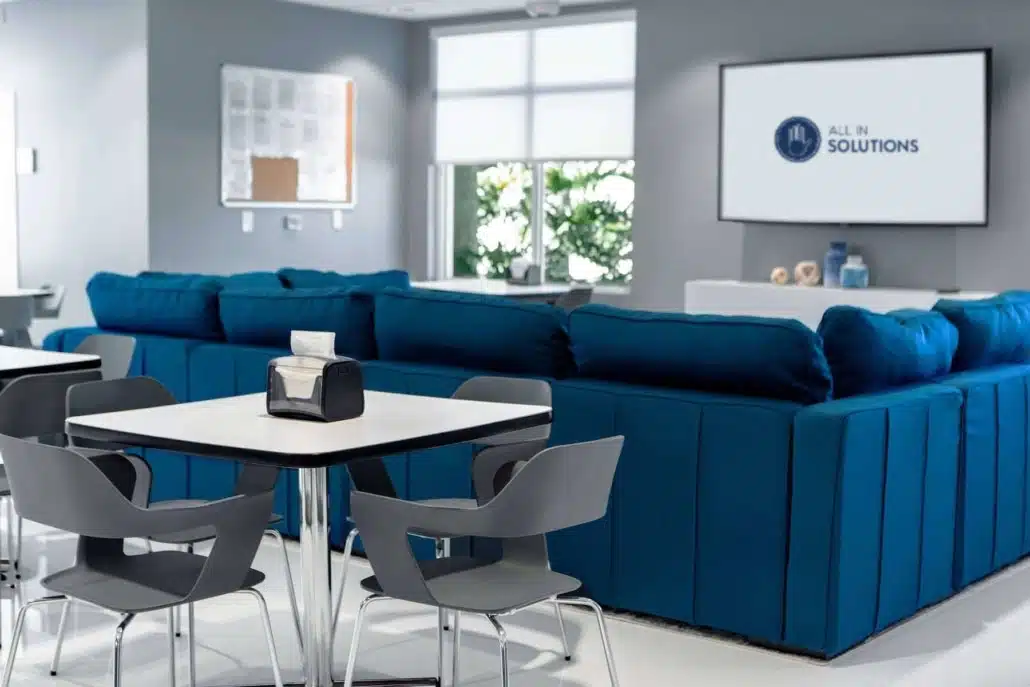
All In Solutions Wellness Center
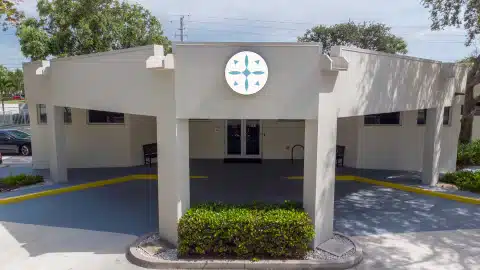
DBA Daylight Recovery Center

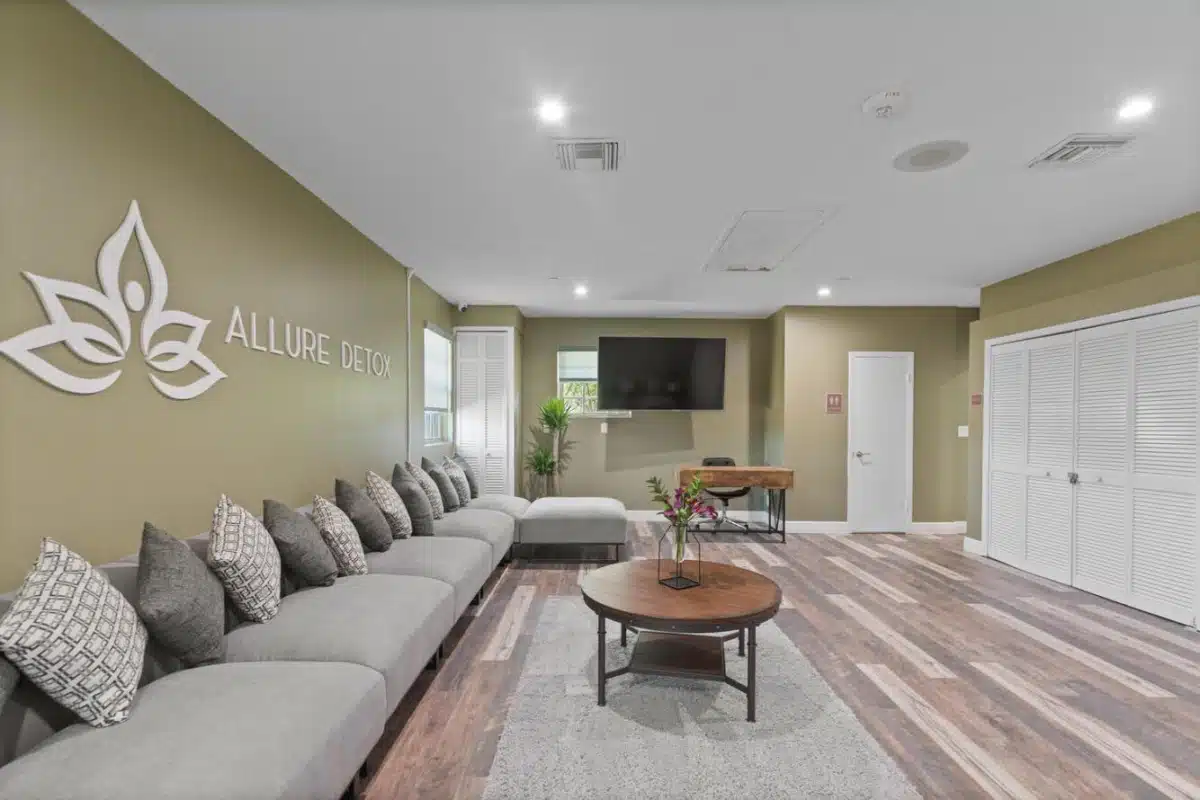
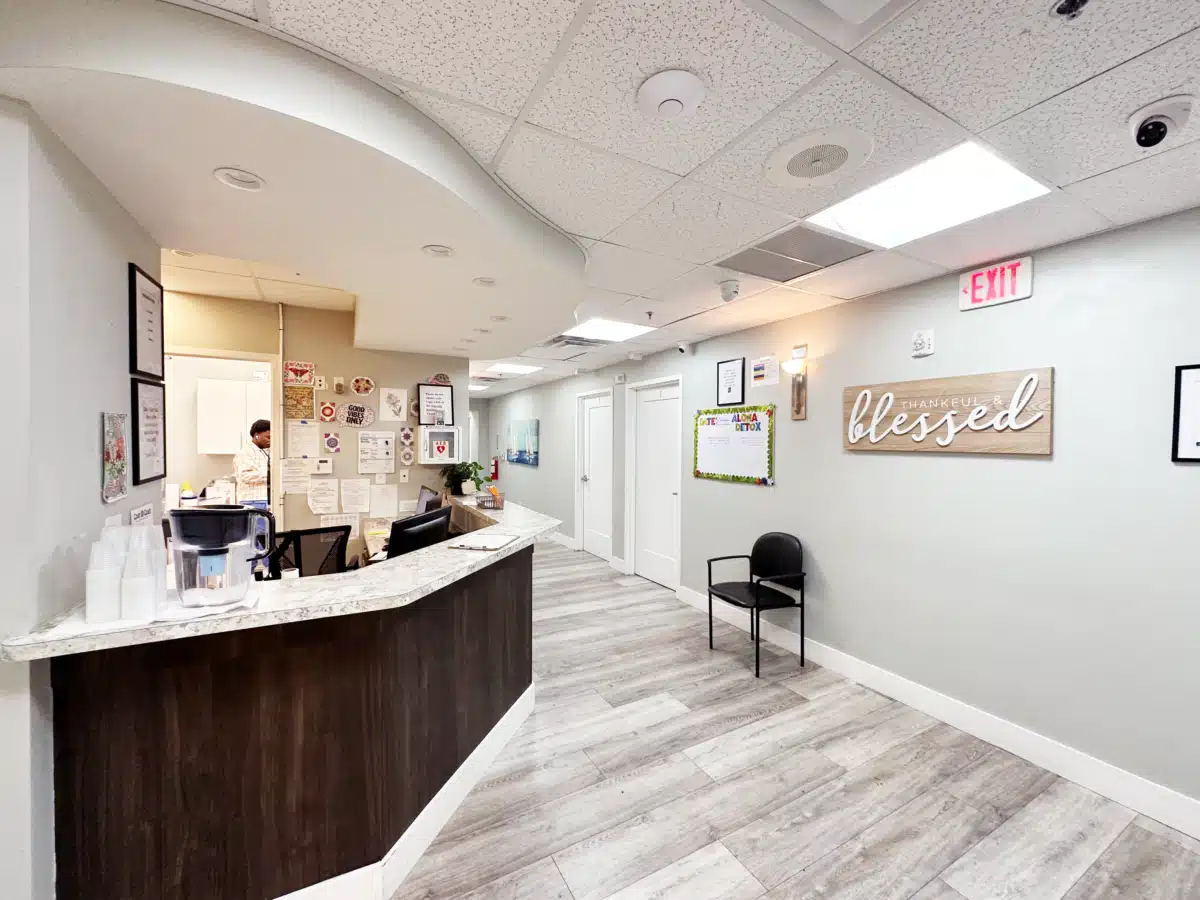
Tarpon Springs Site

Treatment Highlights in Florida
Popular Cities in Florida
Frequently Asked Questions About Treatment in Florida
Sources
Medical Disclaimer
The information on this page is for educational purposes and is not a substitute for professional medical advice. If you or someone you know is experiencing a substance use crisis, call the SAMHSA National Helpline at 1-800-662-4357 (free, confidential, 24/7). For immediate danger, call 911 or the 988 Suicide & Crisis Lifeline by dialing 988.